Top Foods to Eat in Honolulu, Hawaii: A Travey Club Guide
Honolulu’s food tells the story of Hawaiʻi in a way that sightseeing alone cannot. Hawaiian traditions sit alongside Japanese, Filipino, Chinese, Portuguese and American influences, creating a food culture that feels distinctly local rather than belonging to one single cuisine.
A good Honolulu food plan should include more than elegant oceanfront dinners. Some of the meals that stay with you longest may arrive in a takeaway container, wrapped in seaweed or served from a small neighbourhood bakery. We like mixing established local institutions with a few polished meals, allowing each day to move between simple comfort food and something more celebratory.
Here are the foods we would make room for when visiting Honolulu, along with one restaurant we recommend for each.
Poke
Where to try it: Ono Seafood
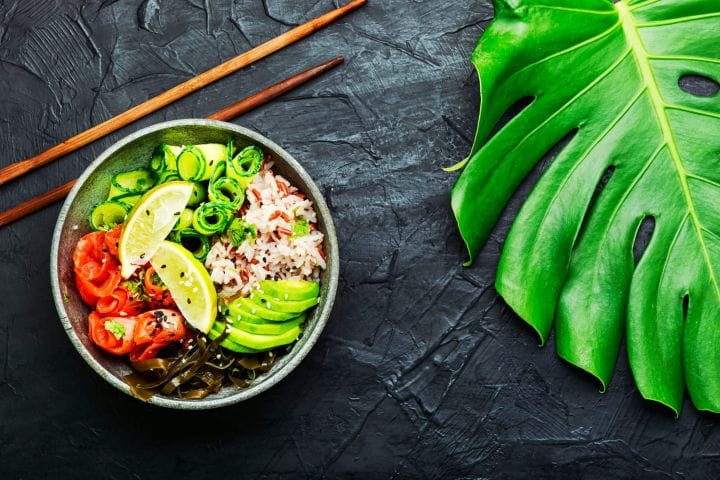
Poke is often the first food people associate with Hawaiʻi, but the version served locally can feel quite different from the heavily customised bowls found elsewhere. At its best, the fish remains the focus, cut into generous pieces and lightly seasoned with combinations such as shoyu, sesame oil, seaweed, onion or spicy mayonnaise.
For a straightforward Honolulu poke stop, we would choose Ono Seafood in Kapahulu. It is a small, casual place where the emphasis remains firmly on ahi and tako poke rather than elaborate presentation.
Order a bowl with rice and choose two poke flavours so you can compare them. Shoyu ahi is an easy starting point, while spicy ahi adds richness without completely covering the flavour of the fish. The restaurant’s menu centres on ahi, tako and several different poke preparations.
Travey Club choice: Shoyu ahi and spicy ahi over rice.
A Traditional Hawaiian Plate
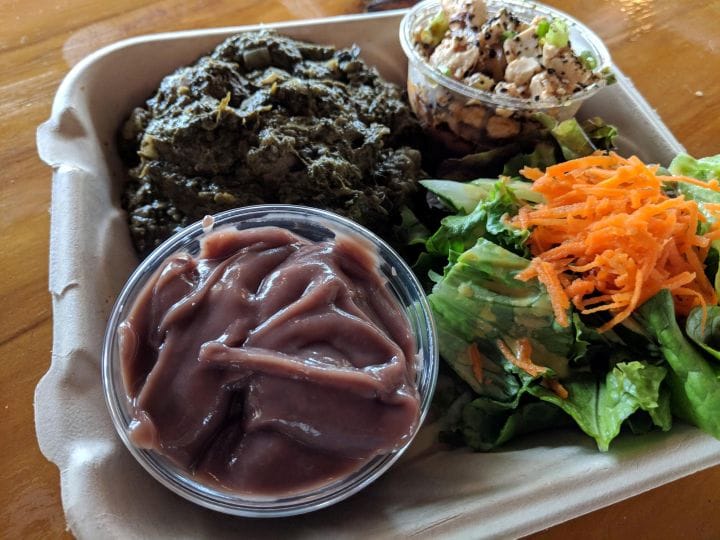
Where to try it: Helena’s Hawaiian Food
A traditional Hawaiian meal gives you a much deeper understanding of the islands than ordering another seafood entrée in Waikīkī. The flavours can be earthy, smoky, salty and gentle, with several dishes usually shared across the table.
At Helena’s Hawaiian Food, we would order a combination that includes kalua pig, laulau, lomi salmon, poi and haupia. The kalua pig brings the smoky richness, laulau adds slow-cooked depth, and lomi salmon provides a fresh, salty contrast. Poi may be unfamiliar at first, but it makes more sense when eaten alongside the stronger flavours on the plate.
Helena’s has been serving Hawaiian food in Honolulu since 1946, and its menu allows diners to combine dishes with either poi or rice. Haupia, a coconut-based dessert, is also included with many meal combinations when available.
Travey Club choice: Kalua pig, pipikaula short ribs, laulau, lomi salmon and poi.
Loco Moco
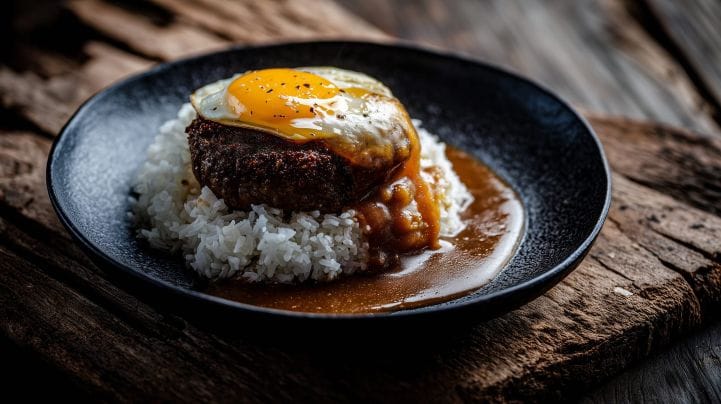
Where to try it: Rainbow Drive-In
Loco moco is not a delicate meal, and that is part of its appeal. The traditional combination is rice topped with hamburger patties, brown gravy and fried eggs. When the yolk mixes into the gravy and rice, the whole plate becomes rich, filling and deeply comforting.
We would try it at Rainbow Drive-In in Kapahulu. This is the sort of stop that fits naturally after a beach morning or before heading back to the hotel for a quiet afternoon.
Rainbow Drive-In has been part of Honolulu’s local food scene since 1961 and is known for generous plate lunches accompanied by rice and macaroni salad. Its loco moco plate comes with two hamburger patties, gravy and eggs served over rice, with macaroni salad alongside.
It is a substantial meal, so arriving hungry helps. Sharing one plate and adding another local dish can also be a good way to taste more without losing the rest of the afternoon to lunch.
Travey Club choice: Loco moco plate with macaroni salad.
Spam Musubi
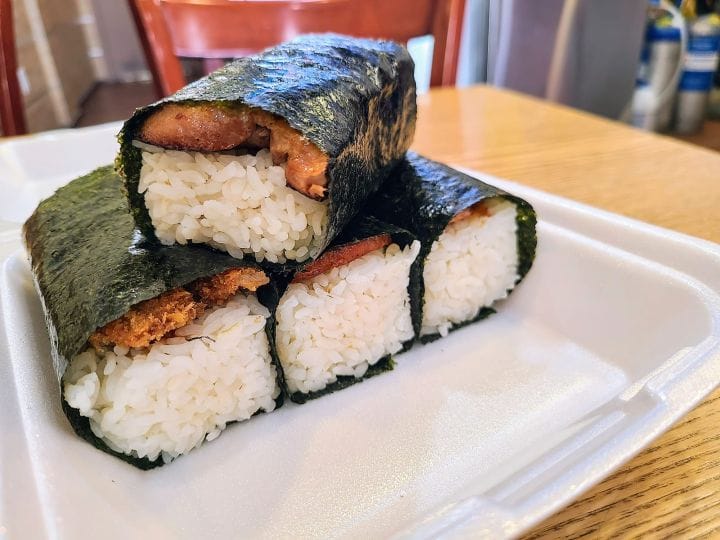
Where to try it: Musubi Cafe Iyasume
Spam musubi is one of Honolulu’s most useful foods. It works as breakfast, a quick lunch, a beach snack or something to carry on a day trip. A slice of grilled Spam is placed over seasoned rice and wrapped with nori, creating a compact combination of salty, sweet and savoury flavours.
Musubi Cafe Iyasume is one of the easiest places to explore different versions. Alongside the familiar Spam musubi, it serves combinations with egg, bacon, avocado, eel, pickles and other fillings influenced by both Japanese and Hawaiian food traditions.
We would buy a couple before leaving Waikīkī for Hanauma Bay or Pearl Harbor. They travel well, do not require cutlery and are much more satisfying than relying on a rushed convenience-store breakfast.
Travey Club choice: Teriyaki Spam musubi and avocado, bacon and egg Spam musubi.
Malasadas
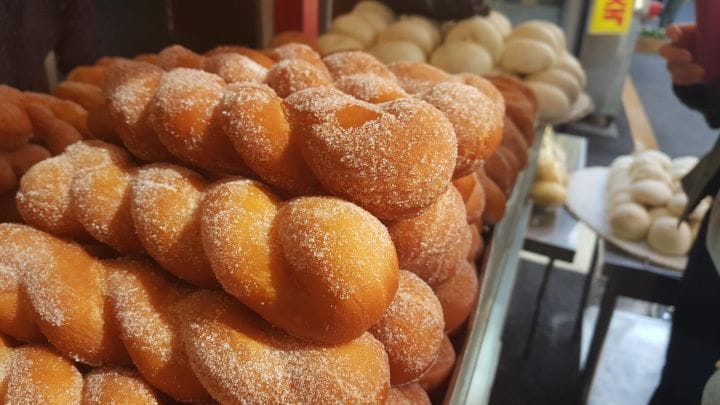
Where to try them: Leonard’s Bakery
A malasada is a Portuguese-style fried doughnut without the familiar central hole. It arrives hot, soft and generously coated in sugar, with some versions filled with custard, chocolate, coconut or tropical fruit flavours.
The best moment to eat one is within minutes of receiving it, while the exterior is still lightly crisp and the centre remains warm and airy.
Leonard’s Bakery has been serving malasadas in Honolulu since 1952 and makes them fresh throughout the day. The original bakery is on Kapahulu Avenue, within easy reach of Waikīkī and Diamond Head.
Start with at least one original sugar-coated malasada before moving to the filled versions. We would then add a haupia or lilikoi-filled malasada for a more island-influenced flavour.
Travey Club choice: One original malasada and one lilikoi or haupia malasada puff.
Saimin
Where to try it: Palace Saimin
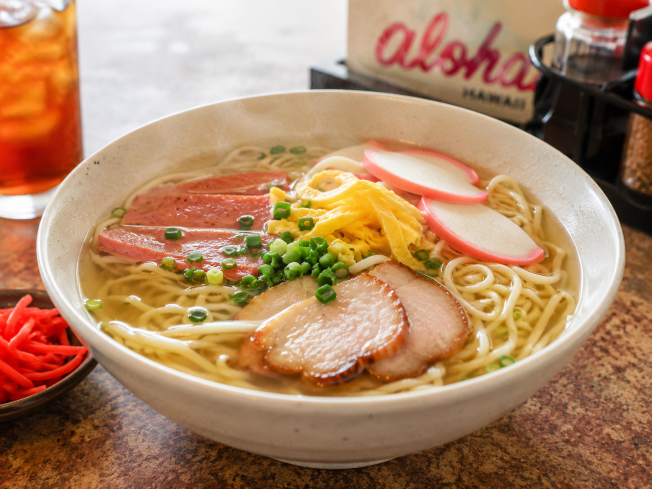
Saimin reflects the cultural mix that shaped Hawaiʻi’s food. The dish combines wheat and egg noodles with a light broth and toppings that can include green onion, fish cake, char siu or luncheon meat.
It may look simple, but that simplicity is the reason it works. After several days of rich meals, seafood plates and sweet treats, a bowl of saimin can feel restorative.
For a traditional setting, visit Palace Saimin in Kalihi. The family-owned restaurant has been serving saimin and local comfort food since 1946.
This is not a polished resort dining room, and it should not be approached like one. Come for the broth, noodles and the feeling of eating somewhere connected to everyday Honolulu life.
Travey Club choice: Regular saimin with barbecue sticks on the side.
Shave Ice
Where to try it: Waiola Shave Ice
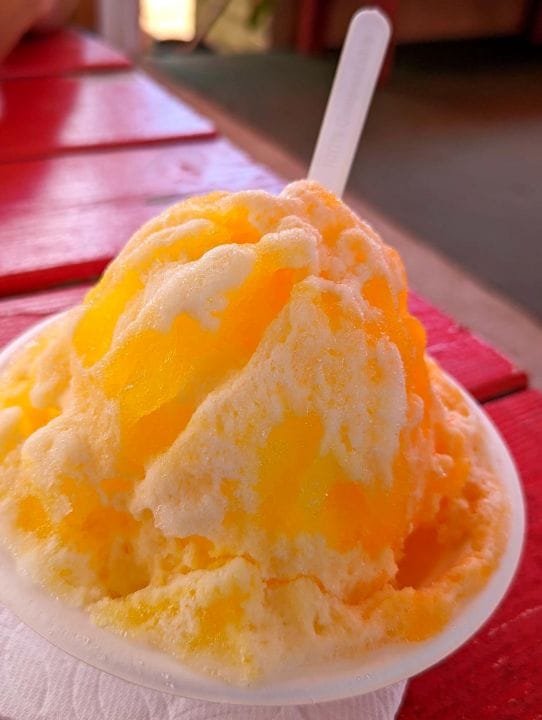
Shave ice should be soft enough that the flavoured syrup settles into the ice rather than sliding off a coarse, crunchy surface. The texture is what separates a memorable bowl from an ordinary snow cone.
At Waiola Shave Ice, the ice is shaved into a fine, fluffy mound and can be paired with flavours such as lilikoi, guava, mango or coconut. You can also add ice cream, azuki beans, condensed milk, custard or mochi.
Waiola has served shave ice in Honolulu since 1978 and remains a family-run local business. Its popular combinations include bowls with ice cream, custard, azuki beans and mochi.
We would stop after Diamond Head or during a warm afternoon around Kapahulu. It is better treated as its own small outing rather than squeezed in immediately after a large lunch.
Travey Club choice: Lilikoi, guava and mango shave ice with condensed milk and mochi.
Fresh Island Fish
Where to try it: Nico’s Pier 38
Honolulu’s location makes fresh fish an essential part of the trip, but the experience does not always need to happen in an expensive beachfront restaurant.
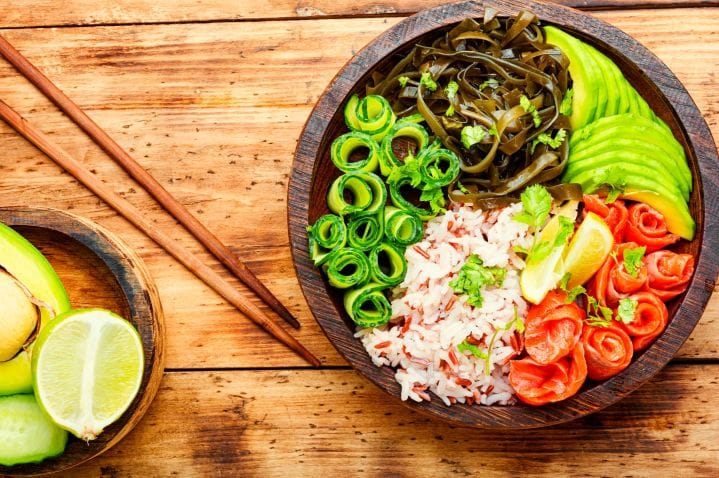
Nico’s Pier 38 sits beside Honolulu Harbor and serves seafood sourced through the neighbouring fish-auction environment. Its menus change according to availability, with fresh fillets, poke, smoked seafood and catch-of-the-day preparations appearing across the restaurant and fish market.
We like this option because the harbour setting feels connected to the working side of Honolulu rather than the resort strip. Choose the catch of the day and ask how the kitchen is preparing it. Depending on availability, you may see ahi, opah, ono, monchong or mahi-mahi.
Travey Club choice: Catch of the day with rice and vegetables, or a poke sampler to share first.
Mochi and Manju
Where to try them: Nisshodo Candy Store
Honolulu’s Japanese influence is visible across the city’s bakeries, noodle shops, markets and sweet counters. Mochi is one of the loveliest ways to taste that connection.
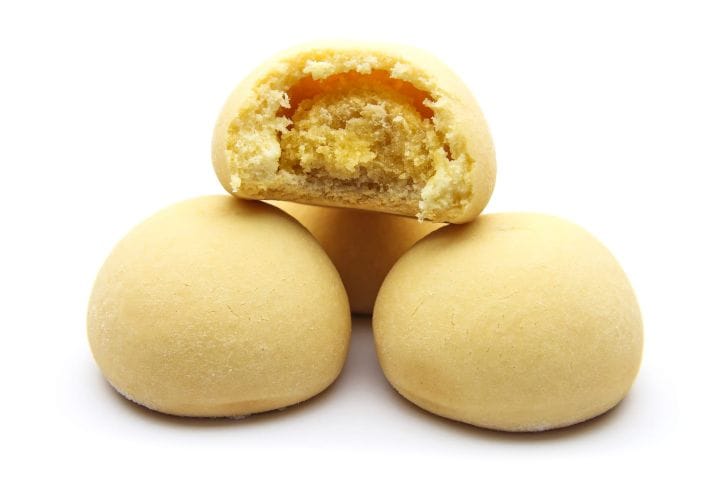
Fresh mochi has a soft, elastic texture and is often filled with sweetened red bean paste. Manju uses a more cake-like outer layer and can contain fillings such as azuki bean, sweet potato or coconut.
Nisshodo Candy Store makes traditional Japanese sweets from scratch in Honolulu, including a range of mochi and manju flavours.
Buy a mixed box rather than choosing only one variety. It gives you something to share later at the hotel and makes a more meaningful edible souvenir than another packaged airport sweet.
Travey Club choice: A mixed selection of chichi dango, peanut butter mochi and traditional azuki-filled mochi.
How We Would Plan a Honolulu Food Day
We would begin with something light and local, perhaps Spam musubi before an early activity. Lunch could be poke, saimin or a Hawaiian plate, depending on which neighbourhood the day naturally reaches.
Save malasadas or shave ice for the afternoon rather than treating them as an afterthought immediately following lunch. In the evening, choose between fresh island fish, a Hawaiian restaurant or a more polished oceanfront dinner.
The itinerary already includes meals at Eggs ’n Things, Marugame Udon, House Without a Key and Azure, giving the trip a good balance between casual dining and more refined evenings. The foods above add the neighbourhood institutions and everyday flavours that make Honolulu feel more complete.
Travey Club Insights
The best way to eat in Honolulu is not to chase only the most photographed restaurants. Mix the places with ocean views and linen napkins with bakeries, drive-ins, noodle counters and small takeaway shops.
Try poke close to the beach, carry Spam musubi on an early excursion, eat malasadas while they are still warm and dedicate one meal to traditional Hawaiian food rather than treating it as a side note.
Honolulu’s food becomes most memorable when each meal belongs naturally to the day around it. The restaurant matters, but so do the neighbourhood, timing and appetite you bring with you.