The Perfect 3-Day Milan Itinerary: What to See, Eat & Where to Stay
Milan often gets labeled as Italy’s business or fashion capital, but spend a few days here and you quickly realize there’s much more beneath the surface. Between historic landmarks, incredible food, lively neighborhoods, and a thriving arts scene, Milan rewards travelers who slow down and explore.
At Travey Club, we always recommend spending at least three days in Milan to experience both the iconic highlights and the local side of the city. Here’s a practical itinerary that balances sightseeing, great food, and neighborhoods worth wandering.
Where to Stay
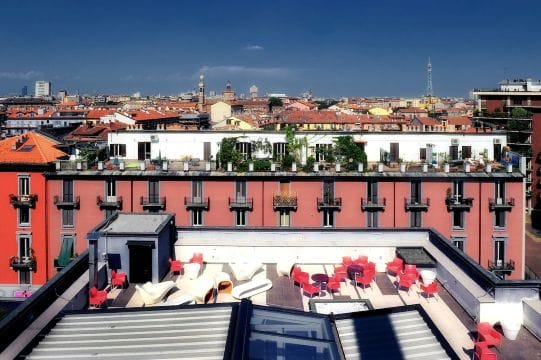
For easy access to the canals and great nightlife, Art Hotel Navigli is a solid choice. The hotel sits right in the heart of the Navigli district, within walking distance of restaurants, bars, and public transportation.
Day 1: Discover the Heart of Milan
Your first day is best spent exploring Milan’s historic center, where many of the city’s most famous landmarks are just a short walk from each other.
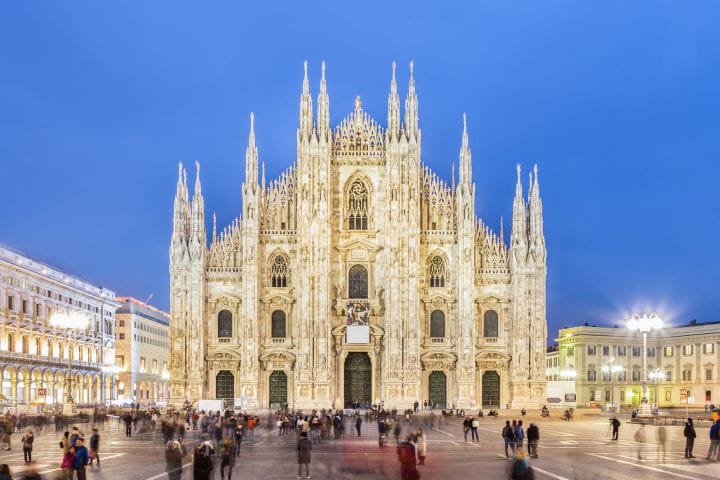
Start the morning at the Duomo di Milano, the city’s most recognizable landmark. The cathedral is impressive from every angle, but the real highlight is heading up to the rooftop terraces. Walking among the marble spires gives you a completely different perspective of the city, and on clear days you can even see the Alps in the distance.
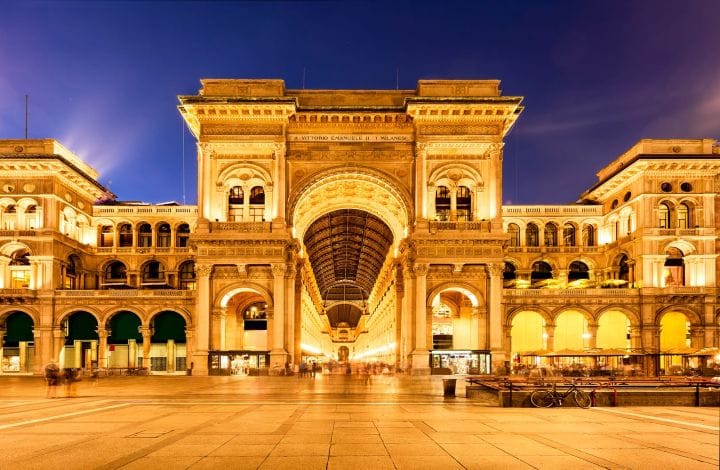
Just steps away sits the beautiful Galleria Vittorio Emanuele II, a 19th-century shopping arcade with a stunning glass dome. Even if luxury shopping isn’t on your agenda, it’s worth walking through simply to admire the architecture. Many visitors stop for coffee at Camparino in Galleria, a historic café that has been serving Milanese locals for over a century.
Around the corner you’ll reach Piazza della Scala, home to the legendary La Scala Opera House. It’s one of the world’s most famous opera venues, and even a quick look at the elegant exterior gives you a sense of its cultural importance.
By lunchtime, head toward the nearby Brera district, one of the most charming areas in Milan. The streets here are lined with galleries, boutiques, and small cafés, making it an ideal place to take a break and enjoy a proper Italian meal.
A local favorite is Trattoria Torre di Pisa, where you can try classic Milanese dishes like Risotto alla Milanese or the famous Cotoletta alla Milanese. Expect a relaxed atmosphere and traditional flavors.
After lunch, spend some time exploring the neighborhood. The highlight here is the Pinacoteca di Brera, one of Italy’s most important art galleries. The museum houses works by masters like Raphael and Caravaggio, and even visitors who aren’t art experts usually find it fascinating.
As evening approaches, it’s time to experience one of Milan’s favorite traditions: aperitivo.
Take a short taxi ride to the Navigli canals, one of the city’s most atmospheric neighborhoods. As the sun sets, bars and restaurants begin filling with locals enjoying drinks by the water.
Places like Mag Café or Rita Cocktails are great spots to start the evening. In Milan, ordering a drink often comes with small snacks, making aperitivo the perfect pre-dinner ritual.
Once you’re ready for dinner, there are plenty of canal-side restaurants to choose from. Officina del Riso is a great option for risotto lovers, while Osteria della Darsena offers classic Italian dishes with views of the canal.
Day 2: Art, History, and Green Spaces
Your second day focuses on some of Milan’s most important cultural landmarks.
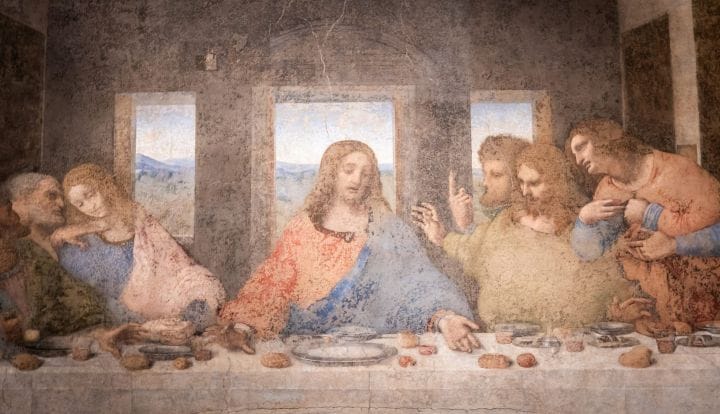
Begin the morning at Santa Maria delle Grazie, the church that houses Leonardo da Vinci’s famous painting The Last Supper. Because visitor numbers are limited, tickets must be booked well in advance. The viewing time is only about 15 minutes, but seeing the painting in person is a powerful experience.
From here, it’s an easy walk to Castello Sforzesco, a large historic fortress that once served as a residence for Milan’s ruling families. Today, the castle hosts several museums, but even just wandering through the courtyards is worthwhile.
Behind the castle you’ll find Parco Sempione, Milan’s largest central park. It’s a great place to slow down for a bit, especially after a morning of sightseeing. Many locals come here to relax, read, or enjoy a picnic.
If you’re hungry, nearby cafés like Panini Durini offer quick lunches, or you can grab takeaway focaccia from a bakery and eat in the park.
Also located near the park is the Triennale Design Museum, which celebrates Italian creativity in architecture, design, and fashion. Milan is known worldwide for its design culture, so this museum offers a fascinating glimpse into that side of the city.
In the evening, head toward Porta Nuova, Milan’s modern skyline district. This area feels completely different from the historic center, with contemporary architecture, stylish cafés, and impressive skyscrapers.
Walk through Piazza Gae Aulenti, then continue to the nearby Bosco Verticale, the famous residential towers covered in thousands of trees and plants.
For dinner, the nearby Isola neighborhood offers a more local atmosphere than the tourist-heavy center. Restaurants like Ratanà serve refined Milanese dishes, while places like Frida are perfect for a casual evening meal.
If you still have energy afterward, consider ending the night with a drink. Terrazza Aperol, near the Duomo, offers fantastic views of the cathedral illuminated at night.
Day 3: Fashion, Art, and Local Milan
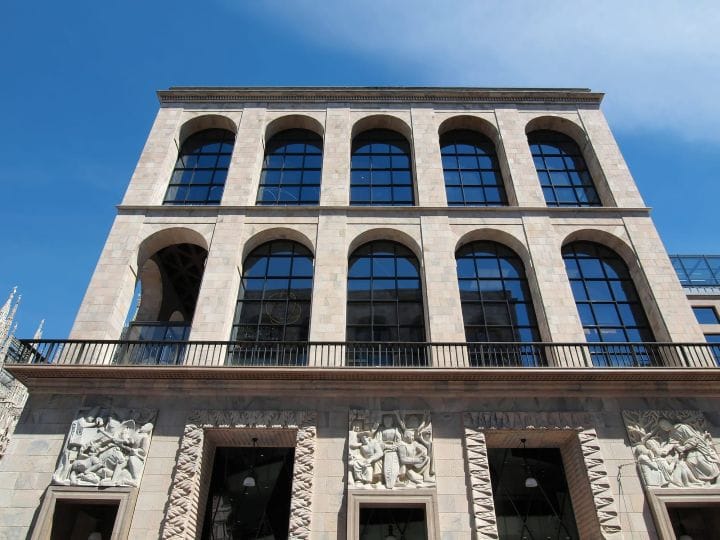
On your final day, it’s time to explore some of Milan’s cultural and creative side.
Begin the morning in the Quadrilatero della Moda, Milan’s famous fashion district. Even if luxury shopping isn’t your priority, walking through streets like Via Montenapoleone and Via della Spiga is an experience in itself.
Next, stop by the Museo del Novecento, located near the Duomo. The museum focuses on modern Italian art and offers beautiful views of the cathedral from its upper floors.
For lunch, consider heading slightly outside the tourist center to Porta Romana, a neighborhood known for its food scene. Restaurants here feel more local and relaxed compared to the busy city center.
A standout option is Trippa Milano, a popular restaurant known for creative Italian cooking and a lively atmosphere.
In the afternoon, art lovers should visit Fondazione Prada, one of Milan’s most impressive contemporary art spaces. The museum combines cutting-edge exhibitions with striking architecture and often surprises visitors with its creativity.
For your final dinner in Milan, you can’t go wrong with either Brera or Navigli.
Brera offers a romantic atmosphere with elegant restaurants tucked along cobblestone streets. Nabucco and Il Solferino are excellent options for traditional Italian cuisine.
If you prefer a livelier setting, return to Navigli, where canal-side restaurants and bars create a vibrant evening atmosphere.
Final Thoughts
Milan may not have the immediate charm of cities like Florence or Venice, but it rewards travelers who take the time to explore its neighborhoods, museums, and food culture.
Over three days, you’ll experience everything from Renaissance masterpieces and historic castles to stylish modern districts and canal-side evenings.
At Travey Club, we believe Milan is a city best enjoyed slowly—one espresso, aperitivo, and neighborhood walk at a time.
Travey Club is your personal travel planning partner, dedicated to crafting truly bespoke itineraries shaped around how you travel. We believe every journey is unique—no single template, and no purely AI-generated plan, can fit all travel needs. Rather than booking flights or hotels, we focus on thoughtful, human-led planning for our members, working alongside trusted travel agents who manage reservations. Our itineraries highlight key experiences, while Travey Club brings them together through personalized insight, expertise, and attention to detail—ensuring every trip feels intentional, seamless, and distinctly yours.
Look at our three days Milan Itinerary : Travey Club