Japan with Kids: A 14-Day Family Itinerary from Sydney to Osaka
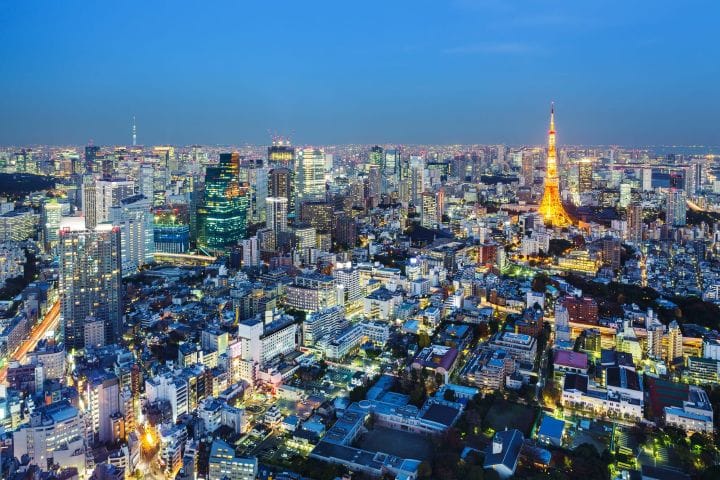
Japan has the rare ability to keep every member of a family interested. One morning can begin at a centuries-old shrine, lunch might arrive on a miniature sushi train, and the afternoon can end beneath the lights of Shibuya or inside Super Nintendo World.
When we design a first family holiday to Japan, we like to keep the route simple. This itinerary travels in one direction through Tokyo, Hakone, Kyoto and Osaka, with day trips to Nara and Hiroshima. You fly from Sydney into Tokyo and return from Osaka, avoiding an unnecessary journey back across Japan at the end.
The itinerary includes major attractions, two theme-park days, a traditional ryokan stay and enough lighter periods to prevent the holiday from becoming exhausting.
The best flight route from Sydney
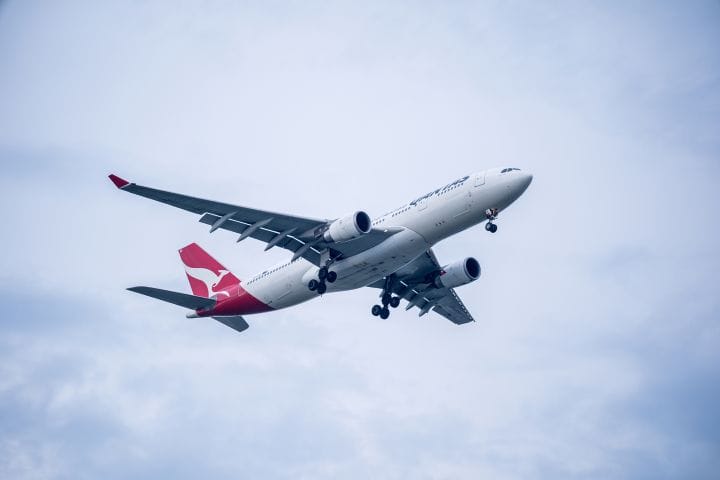
Book the flights as a multi-city or open-jaw ticket:
- Outbound: Sydney Airport to Tokyo Haneda Airport
- Return: Osaka Kansai International Airport to Sydney Airport
Qantas, Japan Airlines and ANA offer Sydney–Tokyo services. Direct flights generally take approximately 9½–10 hours. Haneda is the preferred Tokyo airport because it is considerably closer to central Tokyo than Narita.
Current services and fares can be checked with Qantas, ANA and Japan Airlines.
A daytime departure from Sydney normally reaches Tokyo in the evening. Overnight services can save holiday time, but they work best when the children are able to sleep on the aircraft.
For the return, Jetstar operates direct Osaka–Sydney services on selected days. If a direct flight does not match your dates, one-stop alternatives are normally available through Tokyo, Cairns, Singapore or another Asian hub. Check current options on the Jetstar Osaka flights page.
Where to stay during the trip
A single base does not work for a 14-day trip covering several regions. Staying in these four locations keeps the transport manageable and places the family close to restaurants and railway connections.
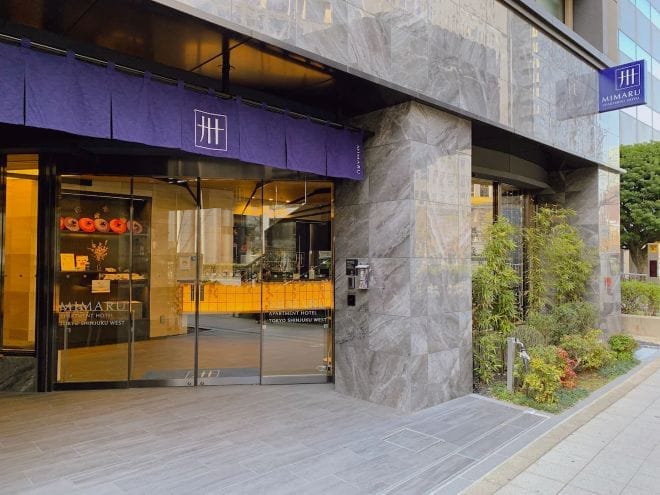
Tokyo: MIMARU Tokyo Shinjuku West
Stay for five nights
MIMARU Tokyo Shinjuku West is an excellent choice for a family of four. Its apartment-style rooms provide multiple beds, a dining area and a fully equipped kitchen, giving the family considerably more space than a standard Tokyo hotel room.
The Shinjuku location offers convenient rail connections across Tokyo and easy access to the Odakyu Romancecar for the onward trip to Hakone. Coin-operated laundry facilities are also available, which is useful during a two-week holiday.
Best for: Families wanting to stay together in one spacious room with kitchen facilities.
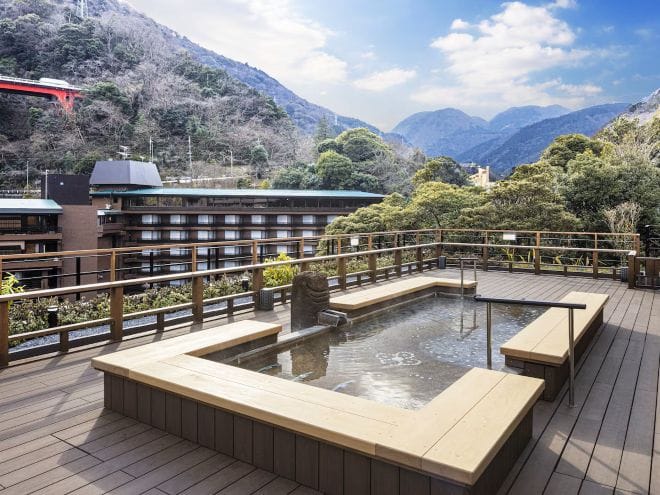
Hakone: Hotel Okada
Stay for one night
Hotel Okada offers Japanese, Western and combined Japanese-Western rooms, including larger rooms suitable for families. Selected rooms have private hot-spring baths.
Choose a package that includes dinner and breakfast. This removes the need to search for a restaurant after completing the Hakone sightseeing loop.
Kyoto: Hotel Granvia Kyoto
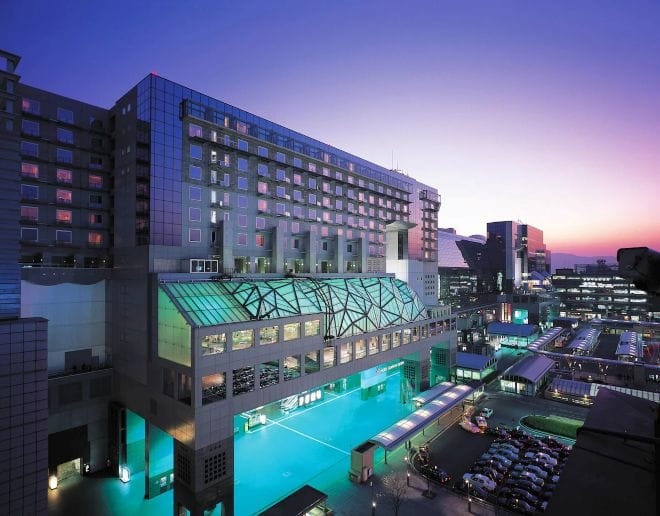
Stay for four nights
Hotel Granvia Kyoto is directly connected to Kyoto Station. It is particularly convenient for arriving by Shinkansen, travelling to Nara and continuing to Osaka.
The hotel has a limited number of family rooms, so these should be booked early.
Osaka: Fraser Residence Nankai Osaka
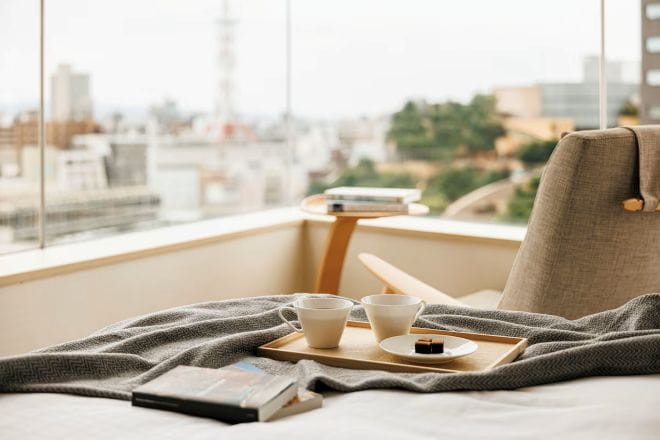
Stay for three nights
Fraser Residence Nankai Osaka is close to Namba Station and offers studios and one- and two-bedroom apartments.
Kitchen facilities, additional living space and an in-room washer-dryer become especially useful during the final part of a two-week family holiday. Namba also has a direct train connection to Kansai International Airport.
Day 1: Sydney to Tokyo
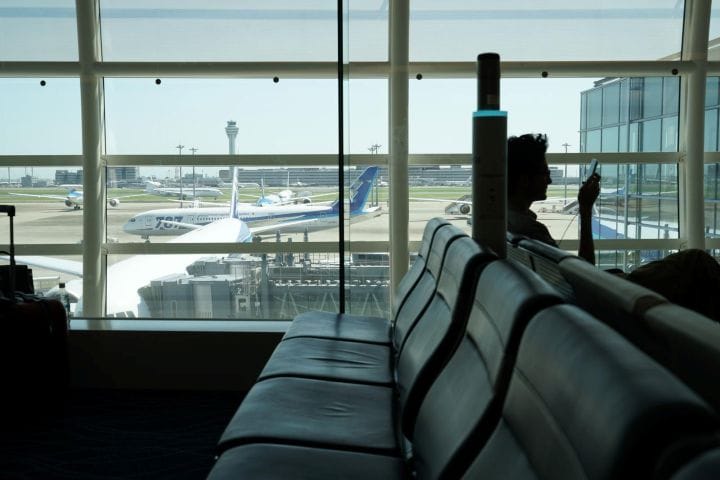
Fly directly from Sydney to Tokyo Haneda Airport. If taking a daytime service, you will usually arrive during the evening. An overnight flight may require departing Sydney the evening before Day 1.
From Haneda, take an airport limousine bus or train to Shinjuku. Check into Keio Plaza Hotel and keep the first evening free.
For dinner, find a simple Japanese curry, udon or rice set near the hotel. A department-store food hall is another useful option when everyone wants something different.
Food to try: Japanese curry with rice.
Day 2: Meiji Shrine, Harajuku and Shibuya
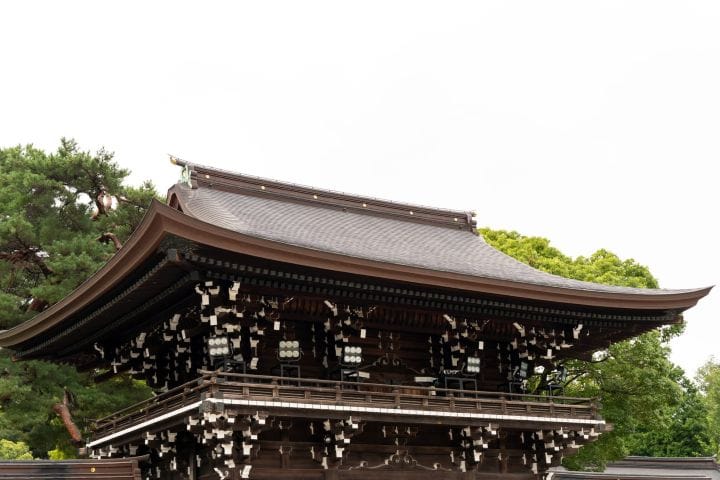
Begin at Meiji Jingu Shrine, where the long forested pathway provides a peaceful first morning in Tokyo.
Continue into Harajuku and explore Takeshita Street before walking or taking the train to Shibuya. See the Hachikō statue, cross the famous Shibuya Crossing and finish at Shibuya Sky around sunset.
For dinner, visit Uobei Shibuya Dogenzaka, where sushi is ordered by touchscreen and delivered directly to the table.
Transport: JR local trains and the Tokyo Metro.
Food to try: Salmon nigiri, tuna rolls, prawn tempura rolls and udon.
Day 3: Asakusa and Tokyo Skytree
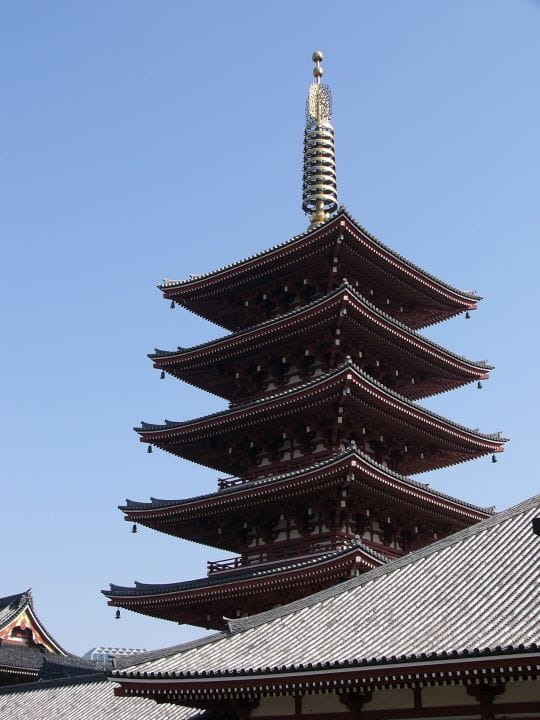
Spend the morning at Sensō-ji, Tokyo’s oldest temple. Walk through Nakamise Street, browse its small shops and try a freshly prepared local snack.
Continue to Tokyo Skytree for panoramic views, shopping and family attractions inside Tokyo Solamachi.
Have lunch at Daikokuya Tempura near Sensō-ji. Its speciality is tendon—tempura served over rice with a traditional sauce. Arrive early because queues can form.
Transport: Tokyo Metro and local trains.
Food to try: Prawn and vegetable tendon, followed by ningyo-yaki cakes or melon bread.
Day 4: Tokyo Disney Resort
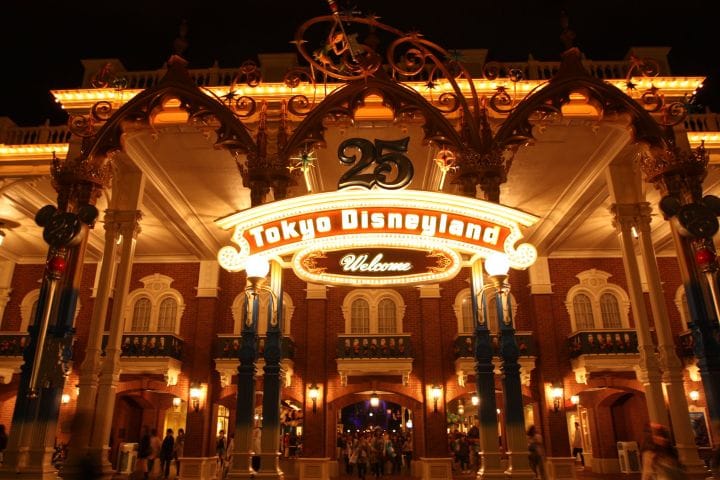
Spend a complete day at either Tokyo Disneyland or Tokyo DisneySea.
Disneyland is generally the easier choice for younger children and first-time visitors. DisneySea offers more distinctive scenery and may appeal more to teenagers and adults.
At Disneyland, eat at the Alice in Wonderland-themed Queen of Hearts Banquet Hall. At DisneySea, Casbah Food Court is a practical family option for curry and rice.
Book park tickets before arriving in Japan and avoid planning another activity for the evening.
Transport: Train from Shinjuku to Maihama, approximately 45–60 minutes.
Food to try: Japanese curry or a Disney-themed set meal.
Day 5: Ueno and Akihabara
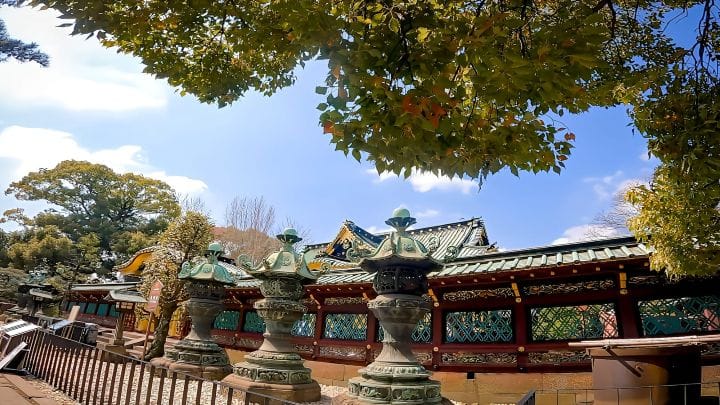
Keep today slightly lighter after the Disney visit.
Start at Ueno Park and choose between Ueno Zoo, the National Museum of Nature and Science or the Tokyo National Museum. Walk through Ameyoko Market before continuing to Akihabara for gaming, electronics, anime shops and capsule toys.
Have a tonkatsu lunch around Ueno or Okachimachi. The breaded pork cutlet is usually served with rice, cabbage and miso soup.
Return to Shinjuku early and prepare a small overnight bag for Hakone.
Transport: JR local trains.
Food to try: Tonkatsu set, fruit skewers and custard-filled taiyaki.
Day 6: Tokyo to Hakone
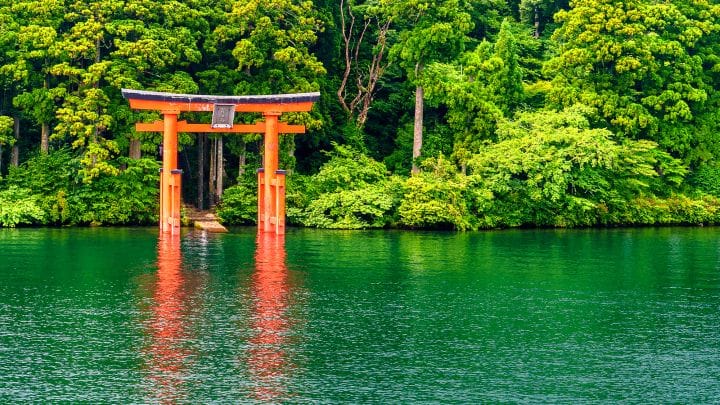
Check out and take the Romancecar from Shinjuku to Hakone-Yumoto, a journey of approximately 90 minutes.
Leave your bags at Hotel Okada and begin the Hakone sightseeing loop. Ride the mountain railway and cable car, take the ropeway over the volcanic landscape and cruise across Lake Ashi.
Return to the hotel for an onsen and dinner. A room with a private bath is a good choice for families who would prefer not to use communal bathing facilities.
Transport: Romancecar followed by Hakone’s local railway, cable car, ropeway and sightseeing boat.
Food to try: A ryokan dinner with seasonal Japanese dishes. Families with selective eaters may prefer Hotel Okada’s buffet option.
Day 7: Hakone to Kyoto
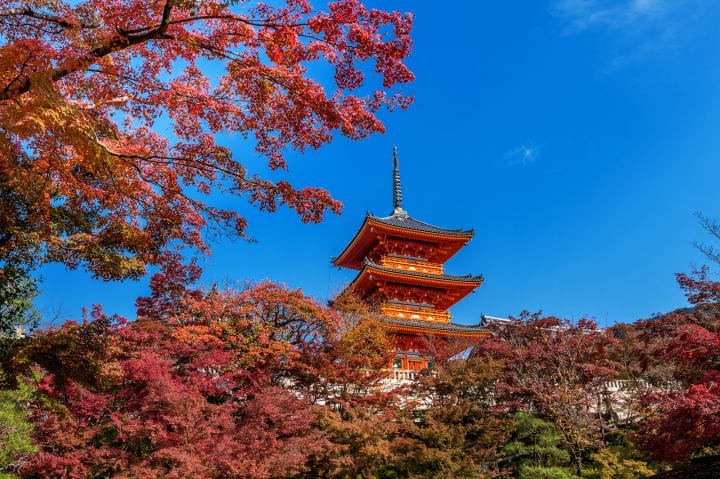
Enjoy breakfast at the hotel before travelling from Hakone-Yumoto to Odawara. From Odawara, take the Tokaido Shinkansen to Kyoto.
Allow approximately 2½–3 hours for the complete hotel-to-hotel transfer.
Check into Hotel Granvia Kyoto and spend the evening around Kyoto Station, Pontocho Alley or the Kamo River.
For an easy dinner, visit Katsukura in the Kyoto Station restaurant precinct. It specialises in tonkatsu served with rice, cabbage and miso soup.
Transport: Hakone-Yumoto to Odawara by local train, followed by Shinkansen to Kyoto.
Food to try: Pork fillet cutlet or a vegetable and yuba cutlet set.
Day 8: Fushimi Inari and eastern Kyoto
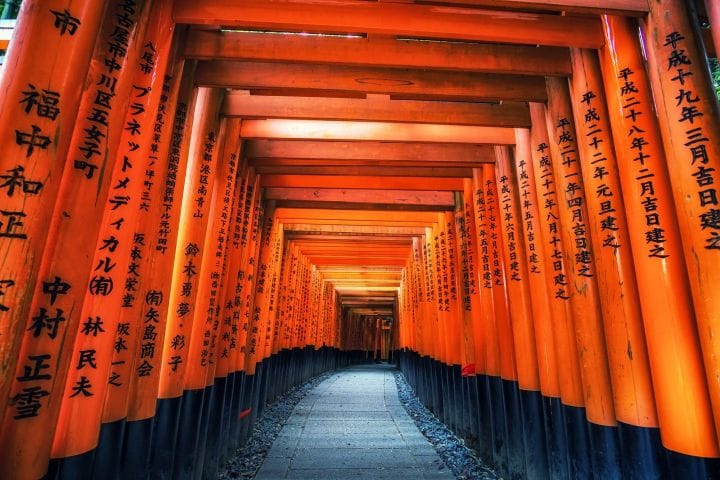
Visit Fushimi Inari Shrine early, before its thousands of red torii gates become crowded.
Continue to Kiyomizu-dera Temple, then walk through Ninenzaka and Sannenzaka. Finish the afternoon around Kodaiji Temple, Yasaka Shrine and the traditional streets of Gion.
Stop at Omen Kodaiji for udon served with seasonal vegetables and dipping broth. Its location fits naturally into the eastern Kyoto route.
Transport: Local train to Fushimi Inari, followed by a taxi or bus to Kiyomizu-dera.
Food to try: Omen udon and matcha ice cream.
Day 9: Arashiyama
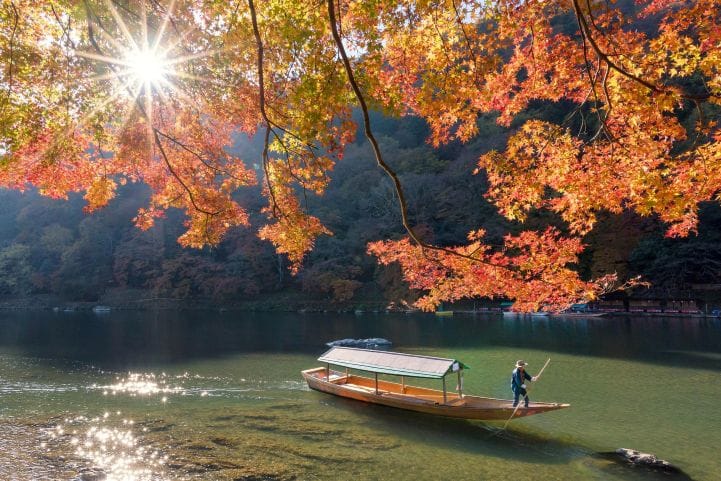
Travel to Arashiyama early and walk through the Bamboo Grove before the busiest part of the day.
Visit Tenryu-ji Temple, cross Togetsukyo Bridge and climb to the Monkey Park if the family is comfortable with an uphill walk.
Have lunch at Arashiyama Yoshimura, close to the bridge. It serves handmade soba with combinations of tempura, rice and yuba.
Transport: JR train from Kyoto Station to Saga-Arashiyama, approximately 20 minutes.
Food to try: Tempura and handmade soba set.
Day 10: Nara day trip
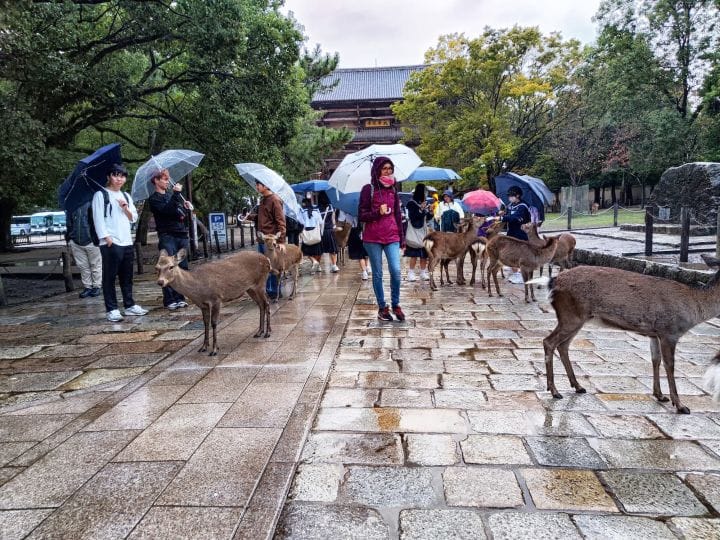
Take a morning train from Kyoto to Nara.
Walk through Nara Park, visit Todaiji Temple and see its enormous bronze Buddha. Continue along the lantern-lined paths towards Kasuga Taisha before returning to Kyoto.
Try Nara’s kakinoha-zushi at Hiraso. This local speciality consists of small portions of pressed sushi wrapped in persimmon leaves. Stop at Nakatanidou for fresh yomogi mochi before catching the train back.
Transport: Kyoto to Nara by JR or Kintetsu train, approximately 45–60 minutes each way.
Food to try: Kakinoha-zushi and red-bean-filled mochi.
Day 11: Kyoto to Osaka
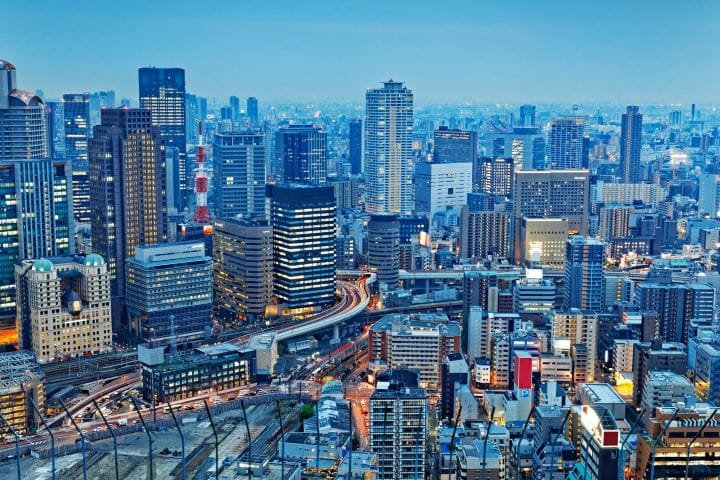
Check out and travel from Kyoto to Osaka by JR train. Depending on the service, the journey takes approximately 30–45 minutes.
Leave the luggage at Fraser Residence Nankai Osaka and visit Osaka Castle and its surrounding park.
Return to Namba for an evening in Dotonbori. See the illuminated signs, walk beside the canal and have dinner at Chibo Dotonbori, where the family can sit together for Osaka-style okonomiyaki.
Transport: JR train from Kyoto to Osaka, followed by the subway to Namba.
Food to try: Takoyaki followed by Osaka-style okonomiyaki.
Day 12: Universal Studios Japan
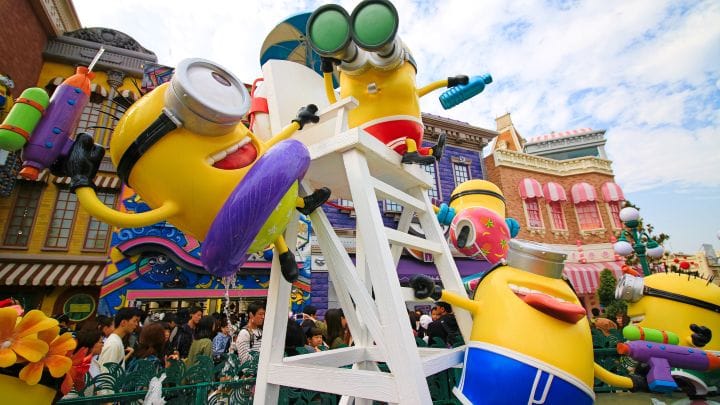
Spend the day at Universal Studios Japan.
Super Nintendo World is a highlight for many families, but entry conditions can vary. Purchase park tickets in advance and consider an Express Pass during weekends, holidays and other busy periods.
Inside Super Nintendo World, Kinopio’s Café serves themed burgers, pasta, rice dishes and children’s meals. Same-day priority seating may be available, subject to capacity.
Alternatively, Three Broomsticks in the Harry Potter area serves fish and chips, shepherd’s pie and Butterbeer.
Transport: Train from Namba to Universal City, approximately 25–35 minutes.
Food to try: A themed meal at Kinopio’s Café or fish and chips at Three Broomsticks.
Day 13: Hiroshima and Miyajima
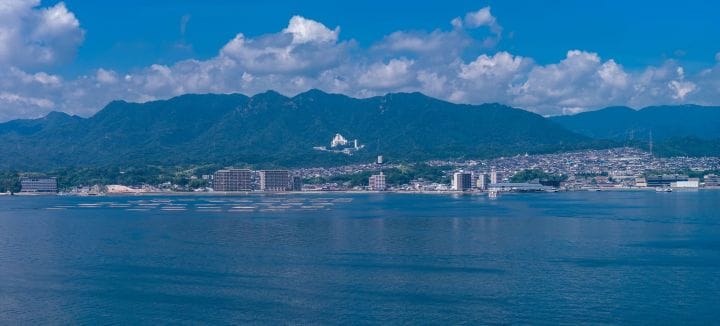
Take an early Shinkansen from Shin-Osaka to Hiroshima, which takes approximately 1½ hours.
Visit the Atomic Bomb Dome, Peace Memorial Park and Hiroshima Peace Memorial Museum. Parents may want to consider the age and sensitivity of their children before entering the museum.
Have Hiroshima-style okonomiyaki at Okonomimura, where several small restaurants prepare the city’s layered version with cabbage, noodles and egg.
Continue by local train and ferry to Miyajima Island. Visit Itsukushima Shrine, see the torii gate and try a maple-leaf-shaped momiji manju cake before returning to Osaka.
For families with younger children, replace this long excursion with Osaka Aquarium Kaiyukan, the Tempozan Ferris Wheel and a slower final afternoon in Osaka.
Transport: Shinkansen to Hiroshima, local train to Miyajimaguchi and ferry to Miyajima.
Food to try: Hiroshima-style okonomiyaki, grilled oysters and momiji manju.
Day 14: Osaka to Sydney
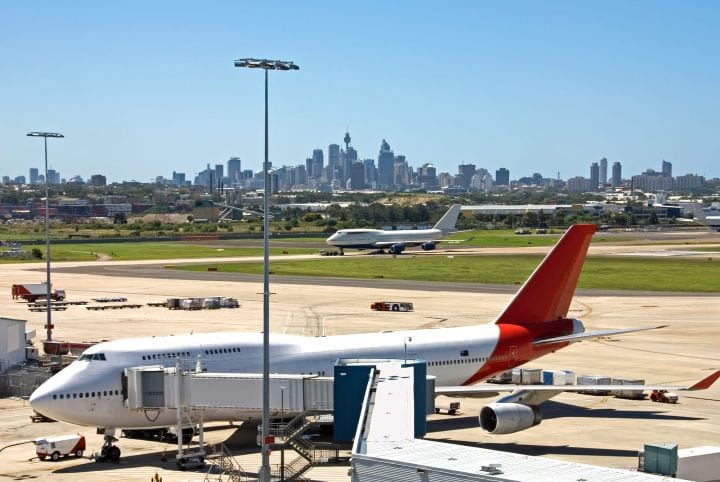
Enjoy a final breakfast in Namba before checking out.
Take the Nankai Airport Express or Rapi:t train directly from Namba to Kansai International Airport. Allow approximately 45–60 minutes for the train, plus sufficient time for international check-in.
Before leaving, pick up a warm cheesecake from Rikuro Ojisan no Mise or eat a steamed pork bun from 551 Horai. Fresh food should be consumed before entering Australia because of Australia’s biosecurity requirements.
Fly directly from Osaka to Sydney if the operating days match your itinerary. Otherwise, take a one-stop flight via Tokyo or another connecting city.
Food to try: Osaka cheesecake or a steamed pork bun.
A few things to arrange before leaving Sydney
Book Disney, Universal Studios, Shibuya Sky and other timed attractions well ahead, particularly if travelling during Australian or Japanese school holidays.
We would also use Japan’s luggage-delivery service. Send the main suitcases from Tokyo directly to Kyoto and take one small overnight bag to Hakone. This makes the mountain trains, cable cars and ryokan stay much easier.
An IC card such as Suica, Pasmo or ICOCA can be used for most local trains, buses and convenience-store purchases. Purchase separate tickets for the Shinkansen and reserve seats together when travelling with children.
Vegetarian families should check dishes carefully. Broths, noodle sauces and apparently vegetable-based meals can contain fish-derived dashi. Restaurant menus, operating hours and reservation systems may also change, so confirm them shortly before travelling.
Travey Club Insights
What makes this itinerary work is the change of pace.
Tokyo introduces Japan with energy, colour and familiar family attractions. Hakone creates a quiet break after five city days. Kyoto brings temples, gardens and slower evenings, while Osaka finishes the holiday with theme parks and food.
Flying into Tokyo and home from Osaka keeps the route moving in one direction. It removes unnecessary backtracking and gives each part of the holiday enough time to feel distinct—without asking the family to pack up and change hotels every second day.
Travey Club is a private travel design studio specializing in bespoke, self-guided journeys tailored to your individual tastes, lifestyle, budget, and schedule. We craft refined, highly personalized travel blueprints that combine curated experiences, seamless routing, insider knowledge, and meticulous day-by-day structure — empowering you to explore independently with confidence and ease. Rather than booking hotels or tours, we design each element of your journey with precision and intention, allowing you to reserve directly while experiencing a thoughtfully orchestrated, self-guided adventure created exclusively around you.
Look at our fourteen days Japan Itinerary : Travey Club